October 07, 2026


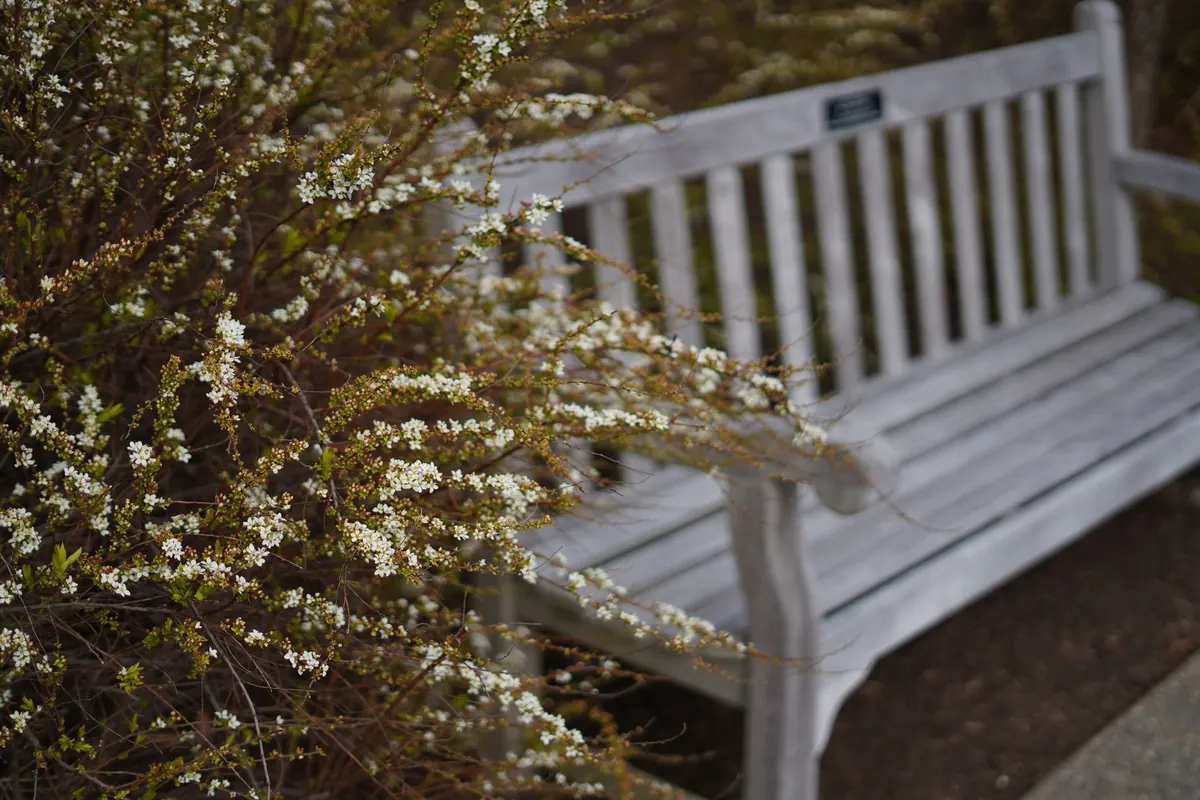
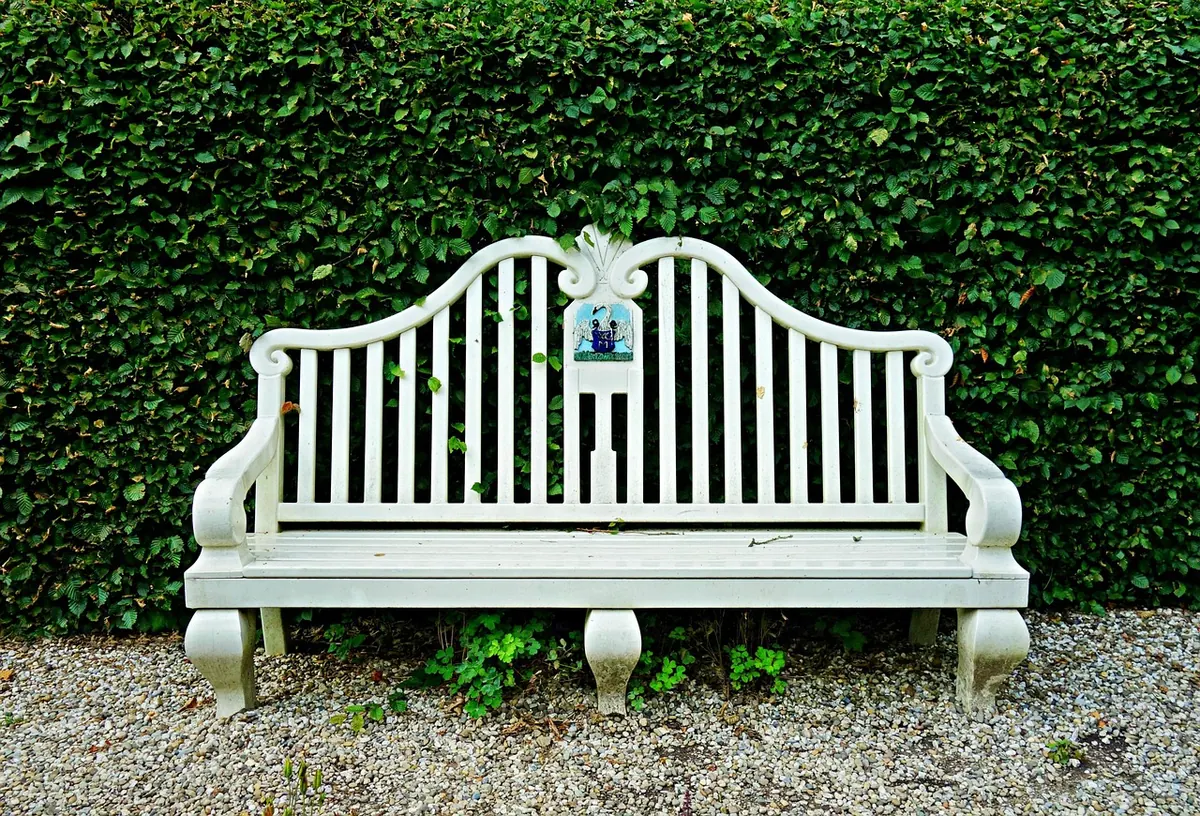
By March, most British gardens have spent four months being rained on, frozen and rained on again. Anything left outside through that has told you plenty about what it is made of: the bench gone green, the table with a split across the top, the chair legs sunk quietly into the lawn. That is not bad luck — it is water doing what water does, helped along by frost and shade.
Buying for a wet climate means thinking less about how furniture looks on delivery day and more about how it behaves in January. A piece that survives its first winter will usually survive ten, failing in the same weak spot year after year; a piece that fails at the joints or the finish tends to do so early. The materials below handle that test very differently.
Granite, sandstone, limestone and slate shrug off rain and frost far better than timber or resin. A stone bench on a proper base will outlast most of the planting around it. The trade-offs are weight and comfort: stone is awkward to move and needs a firm, level footing — slabs, a compacted gravel pad or a concrete plinth. Set it straight onto soil and the feet will settle unevenly within a season. A granite bench left on a gravel pad for twenty years will look much as it did when it arrived; the same bench stood on bare clay will rock within two winters.
The stones are not equal. Granite is dense and the least porous, which makes it the most forgiving in shade. Sandstone is warmer in colour but more absorbent, and in a north-facing corner it will grow algae and turn slippery; sealing helps. Limestone can pit over decades, and slate is slim and elegant but treacherous underfoot when wet. Whichever you choose, lift rather than drag, and avoid sitting water — a slight tilt on a stone table stops rain pooling in the middle.
Cast concrete and cast stone, including glass-fibre-reinforced versions, offer much of stone's permanence at lower weight and cost. They are moulded into benches, tables, troughs and planters, and take paint or a natural finish well.
The weakness is porosity. Unsealed concrete holds water, and when that water freezes it expands — which is how hairline cracks become real ones. A breathable sealer every year or two makes a visible difference, and planters need clear drainage holes. Ask whether a piece is described as frost-resistant; cheap cast ornament often is not. You may also notice a chalky white bloom on new concrete, known as efflorescence, where soluble salts are drawn to the surface. It is harmless, usually weathers away, and is another reason to seal. Treat concrete benches as permanent fixtures and position them where you want them for the next decade.
Resin is the easiest option to live with. It does not rot, it wipes clean, and a stack of resin chairs can sit outside all winter without much complaint. The catch is quality: thin, brittle resin goes chalky and cracks after a few seasons, and hollow legs fill with water when the caps come loose. Pale colours also fade unevenly in strong sun, so a white table can end up patchy next to the chairs that were stacked in shade.
Woven resin over an aluminium frame is a better bet than the same weave over steel, because aluminium will not rust where the paint chips. Wood-plastic composite is heavier and more rigid than pure resin, looks convincing at a distance, and is generally happy outdoors year-round. Tip furniture up after heavy rain, or check that water drains from the legs, and store cushions somewhere genuinely dry. Even the best resin will last longer if it is not asked to sit in the same damp corner for a decade.
Timber is the warmest and most repairable choice, and the one that needs the most attention. Dense, oily hardwoods such as teak, iroko and robinia are the most reliable in British conditions; untreated teak weathers to a soft silver-grey but will pick up algae in damp shade. Oak is durable yet tannin-rich, and in wet, shaded spots it can darken and stain the paving beneath it — an oak bench on pale limestone flags is a maintenance job waiting to happen. Acacia and eucalyptus sit in the middle — good value, decent lifespan, better for an annual oil or stain.
Softwoods are cheapest and shortest-lived unless you keep on top of them. A few habits extend any timber's life considerably:
Metal frames are strong for their weight and take up little room, which makes them useful on small patios. The material matters more than the shape. Aluminium will not rust at all; it dents, and a painted finish can chalk and flake, but it is the safest choice for a damp garden and light enough to move indoors alone.
Steel and wrought iron are heavier and often more elegant, but they depend entirely on their coating. Powder coating is only as good as its edges and joints, and one chip on a welded corner is enough to start a rust run that bleeds brown onto paving. If you buy steel, look for galvanised or hot-dip finishes, and keep a touch-up paint pen to hand. Stainless steel is the most expensive and the most carefree, which is why it turns up on good garden tables. Whichever metal you choose, check the fixings too — mixed metals in a wet garden will corrode each other faster than either would alone.
The same bench can thrive in one part of a garden and rot in another, so it is worth matching material to position before you buy:
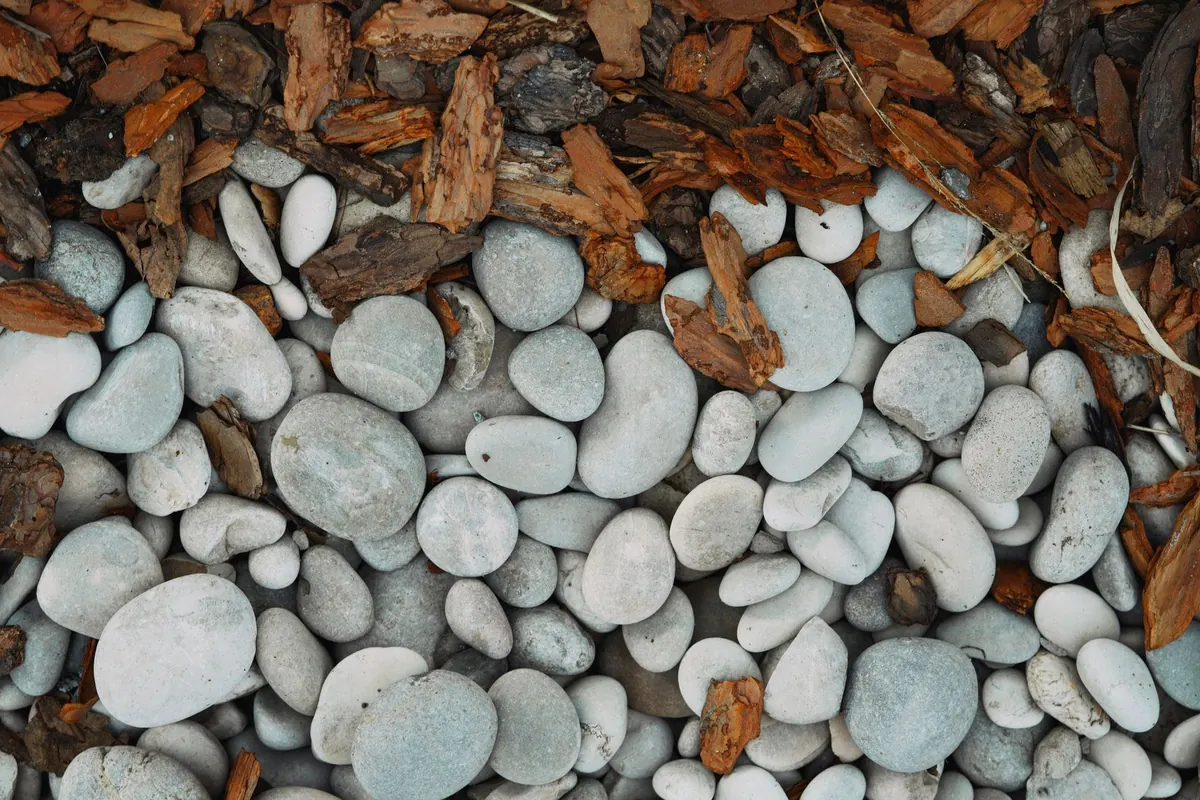
Pebble-topped tables, mosaic seats and resin-bonded pebble panels have a strong pull in a gravel-and-grasses garden, because they tie the furniture into the borders. The question is how the stones are held in place.
Cement or mortar-set pebbles are traditional and the most vulnerable: freeze-thaw cycles work at the bond, and a top that sheds stones every winter becomes a nuisance near bare feet. Resin-bonded pebble surfaces are usually more flexible and stable, but they still depend on a rigid, well-drained base beneath.
None of this is complicated, but it is worth saying plainly: in a British garden, choose the material for the worst week of the year rather than the best. The furniture that lasts is rarely the cheapest or the prettiest on the day it arrives — it is the piece that was never given a chance to hold water.
Photo: MabelAmber / Pixabay
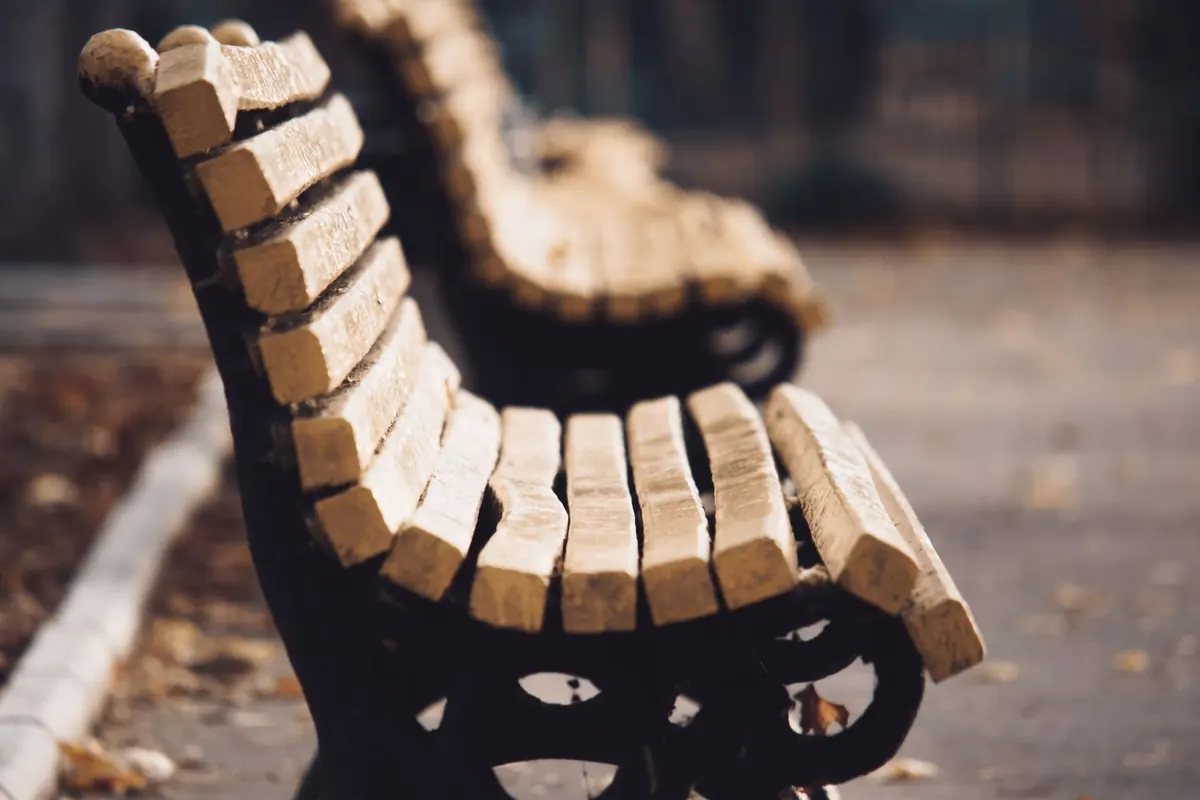
Handcrafted stone benches for gardens and landscapes.
Copyright © 2026 Pebble Bench. All rights reserved. Pebble Bench.