October 07, 2026


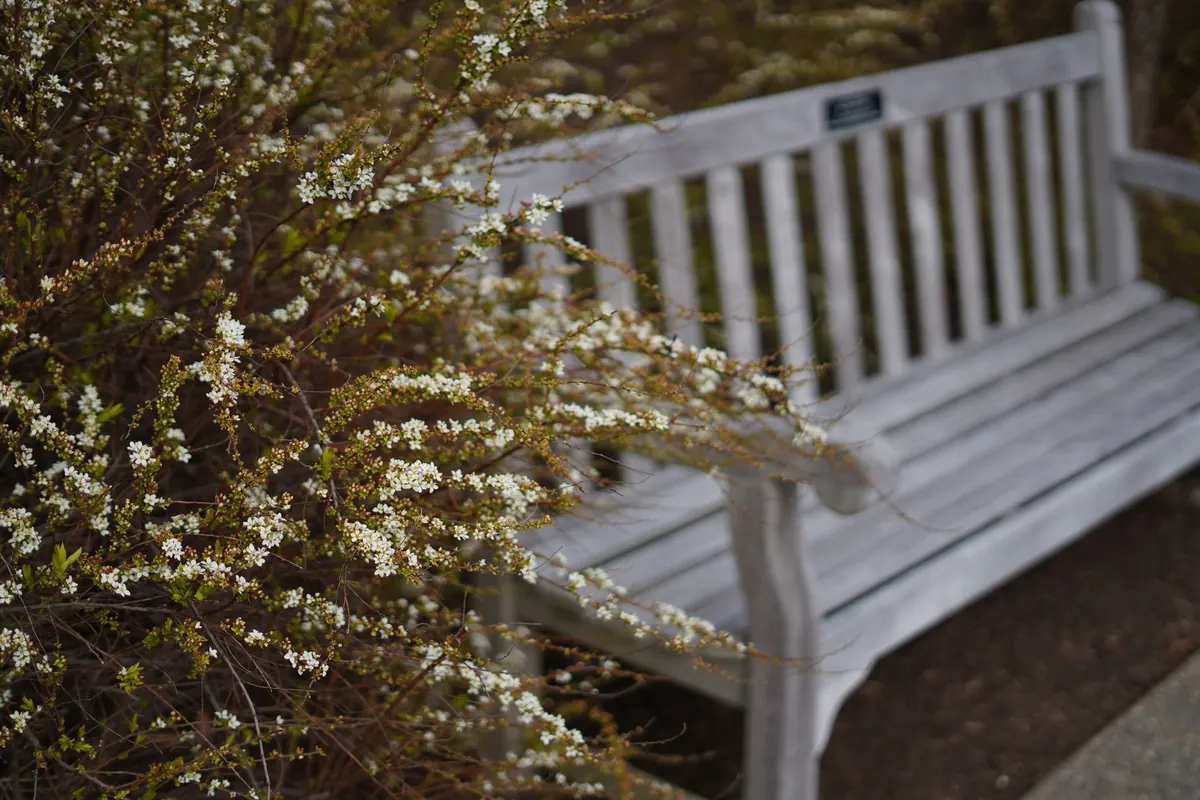
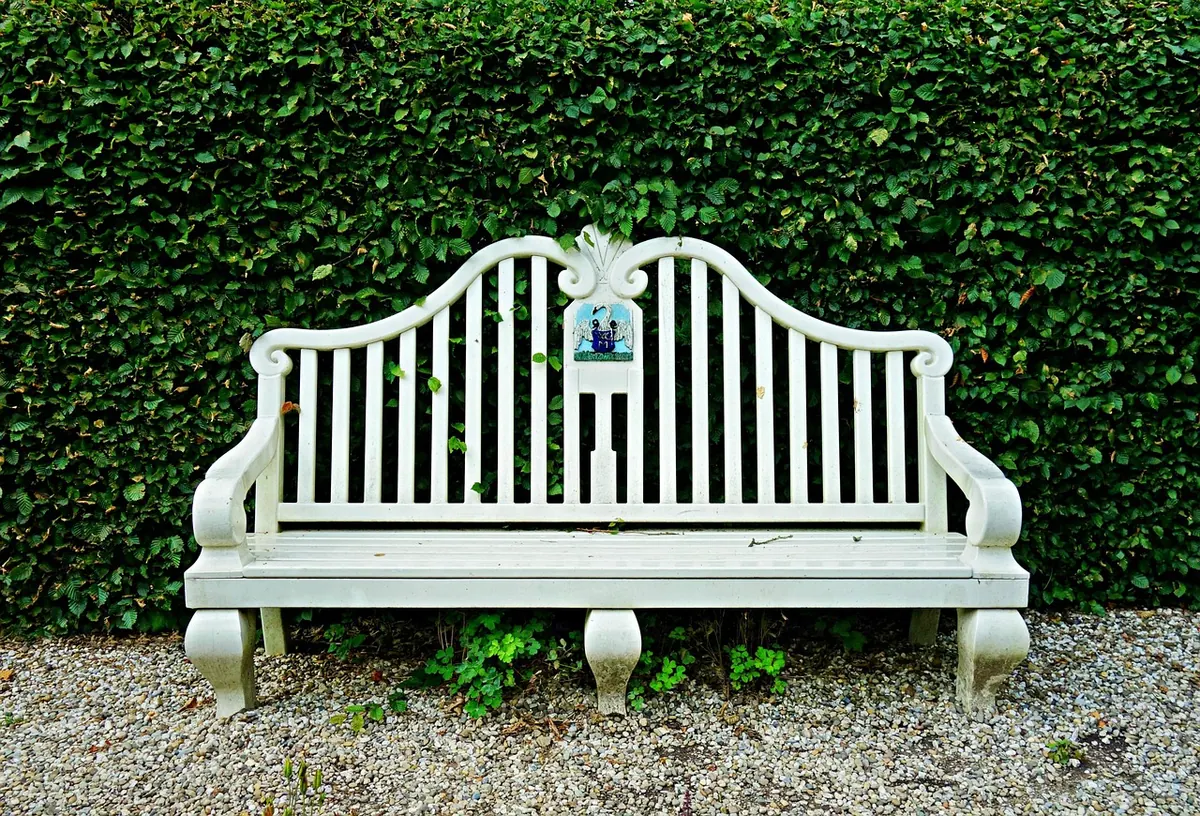
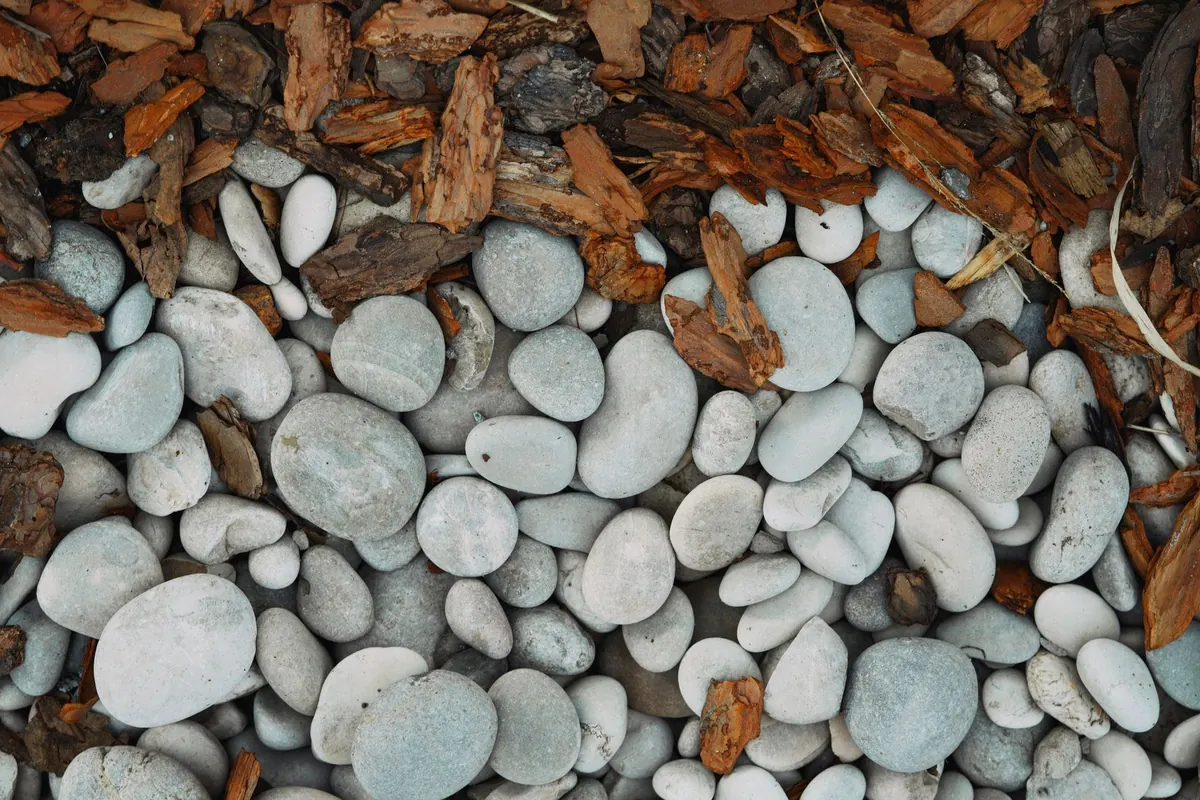
A pebble seating corner works on contrast. Hard, cool, monochrome stone against soft fabric, warm timber and living green. Get that balance right and a patch of gravel that could read as a car park becomes the most-used seat in the garden. Better still, most of the styling happens above the pebbles, so you can change the mood with cushions, a few pots and a string of lights rather than a week of hard landscaping.
Cushions do the heavy lifting. On a bench, built-in seat or pair of chairs, aim for three depths of comfort: a firm base pad, a mid-weight back cushion and one loose scatter per person. A single thin cushion on a stone bench is an invitation to go indoors.
Fabric matters more outdoors than in. Solution-dyed acrylic, treated polyester and wool-rich outdoor weaves cope with damp and UV; cotton covers and standard foam inners turn into sponges overnight. Quick-dry foam with mesh drainage is the sensible filling. If you already own indoor cushions, keep them in a lidded box and bring them out when you use the corner.
On colour, pebbles are usually grey, buff or brown-grey. Either sit with that base tone — charcoal, oatmeal, slate blue — or push against it with terracotta, mustard or deep green. Two colours and one pattern is easy to live with, and it stops the corner looking like a jumble sale.
Storage is the unglamorous part. A bench with a lift-up lid, or a plastic box inside a slatted timber surround, keeps everything dry and doubles as a side table.
Write down three words for the corner — “quiet, coastal, cool” or “warm, Mediterranean, layered” — then check every purchase against them. This is the difference between a styled corner and a collection of nice things that don’t talk to each other.
Pebbles are loose, so containers need weight and a wide footprint. Tall thin pots wobble, sink and eventually tip.
Good plants for sun include lavender, rosemary, thyme, sedum, blue fescue and hebe, with a Japanese maple or a standard olive for height. In shade, try ferns, heuchera and ivy. Herbs beside the seat add scent every time someone brushes past.
Think in three levels rather than one: overhead, mid and low.
Keep the colour temperature consistent, because mixing warm and cool white looks accidental. Warm white, around 2700K, flatters skin, planting and cushions alike. Solar lights are cheap and easy but weak through winter, so a low-voltage set on a timer is worth the outlay if you use the corner into autumn. Never leave candles burning unattended, and bring battery lanterns indoors when rain is forecast.
You don’t need three metres of clipped hedge. Screen in layers instead: an evergreen backbone, a mid-layer for bulk, and something scented or textural at the edge.
One thing at eye level, one at knee height, one at your feet. That is usually enough to make a corner feel finished.
The corner will look better in three weeks than on day one, once plants have settled and the pebbles have had a little rain. Keep a box for cushions, a hook for lanterns and a watering can within reach: corners that are easy to use get used. If your seating sits against a wall or on a slope, take professional advice before building any retaining structure.
Photo: LAWJR / Pixabay

Handcrafted stone benches for gardens and landscapes.
Copyright © 2026 Pebble Bench. All rights reserved. Pebble Bench.